
Explore our complete guide to offshore company formation, a strategic move for entrepreneurs in today’s global economy. Learn how to optimize international operations, legitimately reduce tax burdens, and streamline cross-border finance—ensuring powerful advantages when done properly.
However, setting up an offshore company isn’t simply a matter of “choosing a jurisdiction and filing paperwork.” It involves understanding legal systems, tax laws, international compliance rules, corporate governance requirements, banking needs, and ongoing reporting responsibilities. This complexity is precisely why working closely with specialist corporate services is often the smartest path forward — especially with firms like MCS Corporate Services Inc. (the operator behind OffshoreCompanySpecialist.com), which guide clients through planning and implementation from start to finish.
What is Offshore Company Formation?
At its core, offshore company formation is the process of legally incorporating a business entity in a jurisdiction outside your primary country of residence or operation. These jurisdictions — often referred to as offshore financial centers — are typically chosen for their favorable business environments, streamlined legal frameworks, and sometimes beneficial tax treatments.
The concept has evolved beyond merely “tax avoidance.” Modern offshore structures are used for:
- Facilitating international trade and investment.
- Providing asset protection and corporate privacy.
- Accessing global banking infrastructure.
- Simplifying legal and administrative burdens.
- Supporting succession planning and wealth management.
That said, offshore structures must comply with international standards and the laws of both the host jurisdiction and your home country. Engaging with expert corporate service providers ensures you set up a structure that meets your goals while adhering to legal and regulatory expectations.
Who Should Consider Offshore Company Formation?
Offshore company formation isn’t just for multinational corporations or ultra-high-net-worth individuals. It can be a valuable strategy for:
- Startups and scale-ups seeking global expansion.
- E-commerce businesses with customers in multiple countries.
- Professional service firms targeting international clients.
- Investors managing assets across borders.
- Consultants and digital nomads needing flexible international structures.
- Businesses needing international banking or multi-currency operations.
However, success always hinges on tailoring the strategy to your specific needs — meaning no two offshore setups are exactly alike.
Key Benefits of Offshore Company Structures
While exact advantages vary by jurisdiction and business model, common strategic benefits include:
✅ Tax Efficiency
Many offshore jurisdictions offer territorial tax systems or reduced tax burdens on foreign-sourced income. This doesn’t mean tax avoidance — offshore companies must still comply with applicable home-country tax laws — but they can allow for efficient tax planning.
✅ Enhanced Privacy & Asset Protection
Some offshore locations offer strong confidentiality protections for company ownership and financial data. These protections can also help safeguard assets against local legal judgments or creditor claims.
✅ Access to Global Banking & Financial Services
Establishing an offshore company often goes hand-in-hand with setting up offshore bank accounts that support multi-currency operations — enabling smoother international transactions.
✅ Regulatory Flexibility
Offshore jurisdictions frequently have streamlined regulatory frameworks with simplified reporting requirements and flexible corporate structures.
✅ Scalability & Market Expansion
Operating offshore can facilitate entry into new markets, support international partnerships, and enhance your brand’s global footprint — particularly in regions with robust financial infrastructures.
Popular Offshore Jurisdictions Explained
There are numerous offshore destinations around the world, each with its own legal nuances, advantages, and ideal use cases. Examples often chosen by businesses include:
- British Virgin Islands (BVI) – Known for strong confidentiality and flexible corporate laws.
- Seychelles – Offers swift incorporation, minimal reporting, and asset protection benefits.
- Labuan, Malaysia – A strategic Asian offshore jurisdiction popular with enterprises focusing on regional expansion and tax planning.
- Cayman Islands & Caribbean jurisdictions – Well-established centers for investment structures and financial services.
- Singapore & Hong Kong – Not traditional “tax havens,” but extremely reputable hubs providing strong legal systems and international business support.
Choosing the right jurisdiction depends on your business goals, compliance obligations, and long-term strategy — which is where expert advisors like MCS Corporate Services bring real value.
Why Professional Guidance Matters
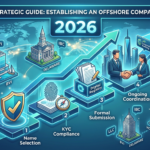
Offshore company formation involves nuanced legal and administrative steps, including:
- Choosing the most suitable jurisdiction and entity type.
- Preparing and filing incorporation documents.
- Meeting Know-Your-Customer (KYC) and compliance requirements.
- Coordinating with local authorities, legal representatives, and financial institutions.
- Managing ongoing reporting and regulatory compliance.
Doing this alone can be overwhelming, especially when each jurisdiction has unique expectations. Professional service providers — such as those associated with MCS — can assess your business needs, recommend suitable structures, and manage the process on your behalf.
Furthermore, real value comes from ongoing coordination and tailored advice throughout the life of your offshore entity — not just during setup. From corporate governance to banking, compliance, and potential future restructuring, having experts by your side helps ensure smooth operations and peace of mind.
FAQs About Offshore Company Formation
Q1: Is setting up an offshore company legal?
Yes — establishing an offshore company is legal when you comply with the laws of the offshore jurisdiction and your home country’s tax and reporting requirements. Offshore structures should not be used to evade taxes illegally.
Q2: How long does it take to set up an offshore company?
The timeframe varies by jurisdiction, ranging from a few business days to a couple of weeks depending on documentation and regulatory processes.
Q3: Do offshore companies have to file financial audits?
Some offshore jurisdictions do not require audits or extensive reporting, but requirements vary by location and entity type. Expert advisors can clarify this for your specific situation.
Q4: Can a single person own and manage an offshore company?
In many jurisdictions, yes — it’s common for one individual to serve as both shareholder and director, though local laws determine the exact requirements.
Q5: Do I need a physical presence in the jurisdiction?
Most offshore formations allow remote setup and management. However, some jurisdictions require a local registered agent or service provider.
Q6: What about offshore bank accounts?
Setting up an offshore company often pairs with corporate bank account services. A specialist can help coordinate banking requirements and introductions.
Q7: How do I choose the best offshore jurisdiction?
The best choice depends on your business goals, international tax position, compliance needs, and operational plans. A tailored consultation with professionals ensures you make an informed choice.
Final Thoughts
Offshore company formation remains a powerful strategic tool for business owners and investors seeking global reach, financial flexibility, and efficient corporate structures. However, success rests on making informed decisions and navigating complex regulatory landscapes with expert support.
That’s why coordinating with experienced corporate services providers — such as those at MCS Corporate Services Inc. — is essential. Their expertise helps clients choose the right jurisdiction, handle the administrative and compliance intricacies, and support ongoing corporate needs in an ever-changing global business environment.
For customized solutions that align with your unique goals and risk profile, reach out to professionals who can walk you through each step with clarity and care.
If you’d like, I can tailor this further with a specific focus (e.g., Labuan, BVI, or Seychelles) or turn it into a landing page or email sequence.